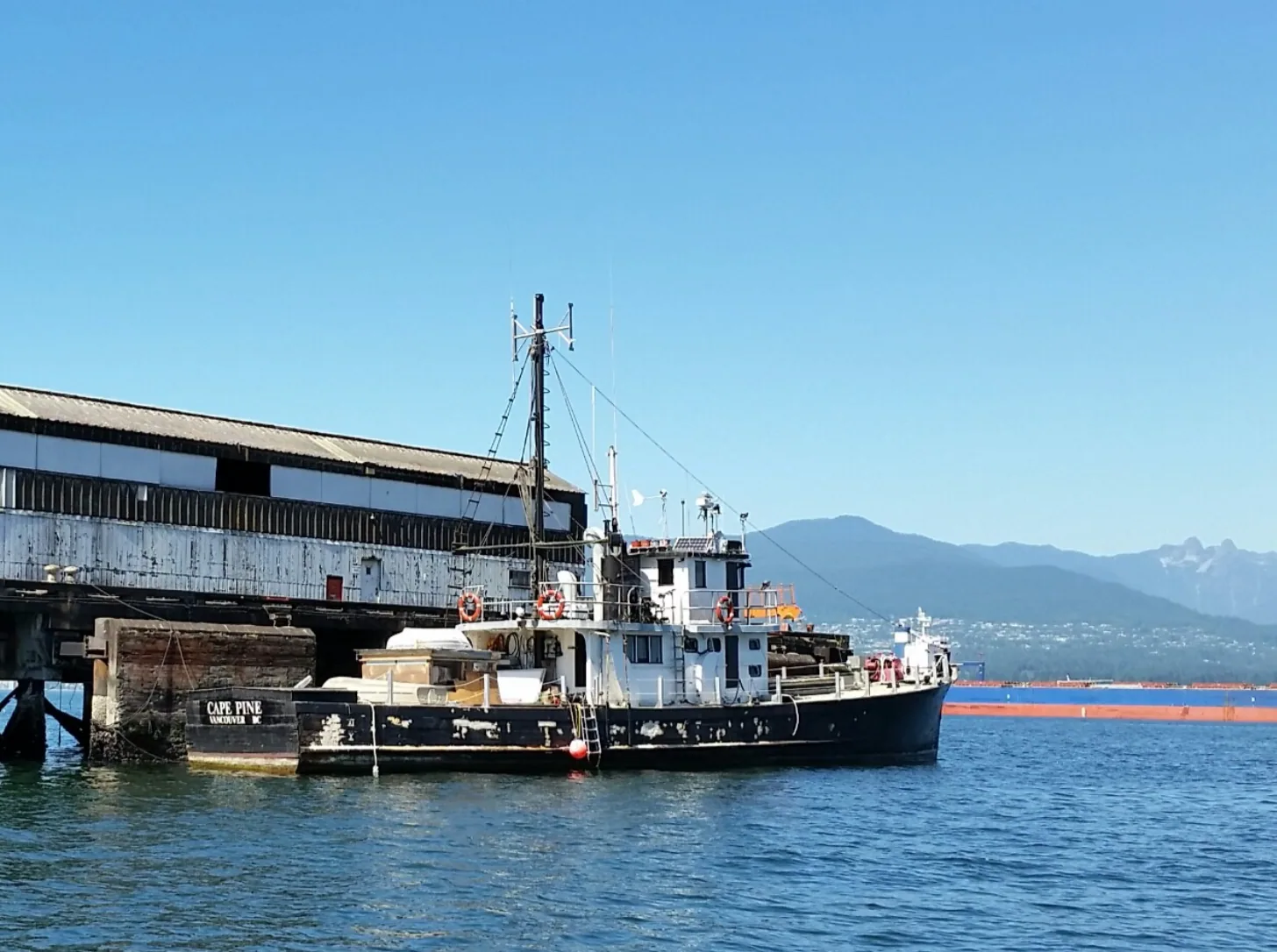
The Night My Anchor Dragged Almost a Mile
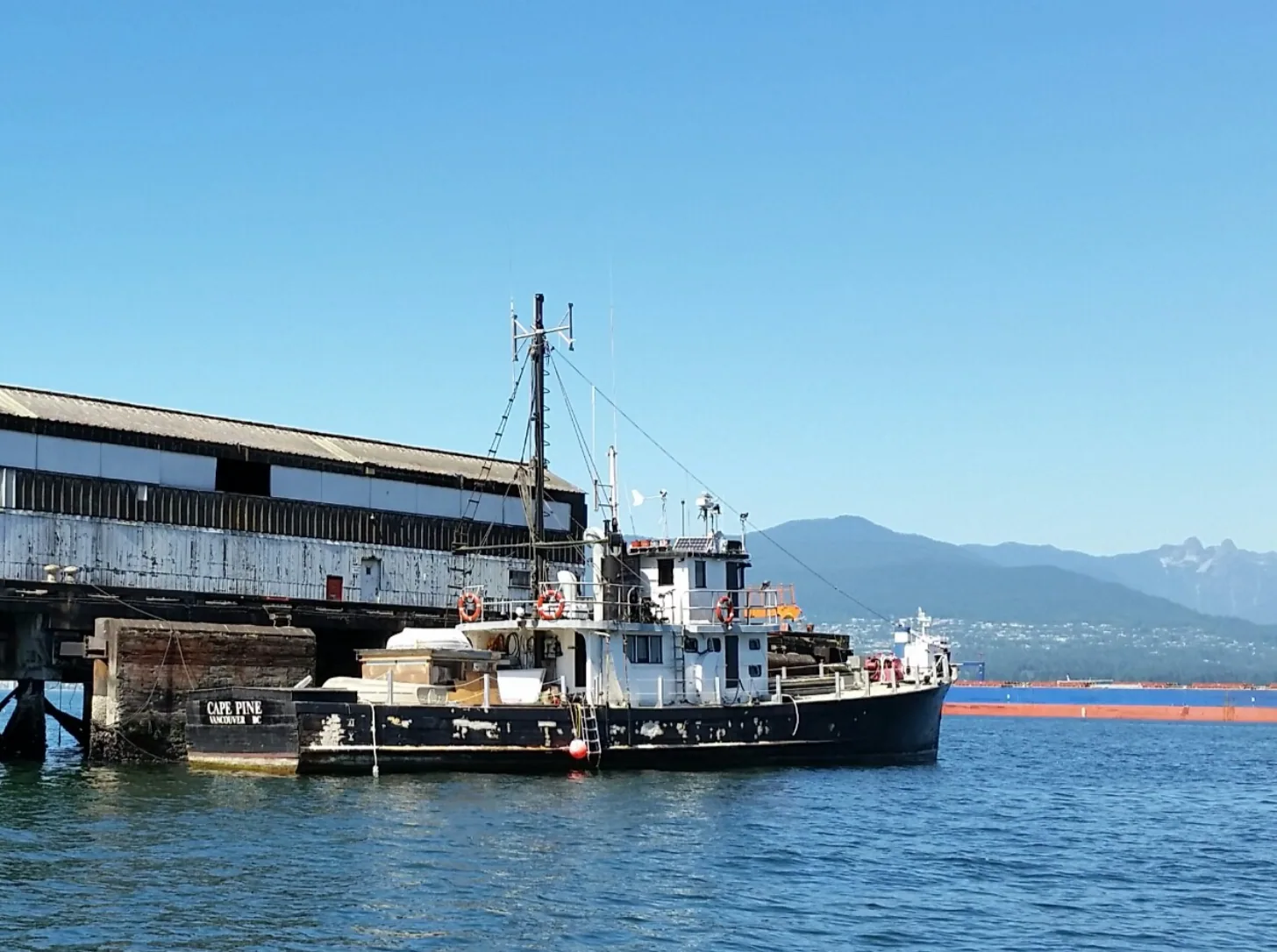 Cape Pine on the film set of The Man In the High Castle.
In 2010, I was anchored in English Bay off Kits Beach aboard Cape Pine, my big, heavy, well-equipped wooden motor boat. She was a classic and other than a propencity to roll she felt perfect.
I trusted the boat. I trusted the anchor. I trusted the forecast.
A gale was expected, and I thought I was ready.
Then the gale became a full storm.
The assumptions I had made began to fail one after another. The anchor started dragging. Then it kept dragging. By the time I fully understood how serious things had become, Cape Pine had been pulled nearly a mile toward the beach.
I barely got the engines running in time. I managed to claw her off the shore, but only just.
That storm hit on April 8, 2010, with gusts to 54 knots, and Cape Pine was not the only vessel it tore loose. At least three other sailboats washed up on the sand at Kitsilano Beach that morning, and a fourth was driven onto the rocks near the Maritime Museum. Some of those owners had only recently been moved out of the sheltered waters of False Creek and into open English Bay — days before the storm hit.
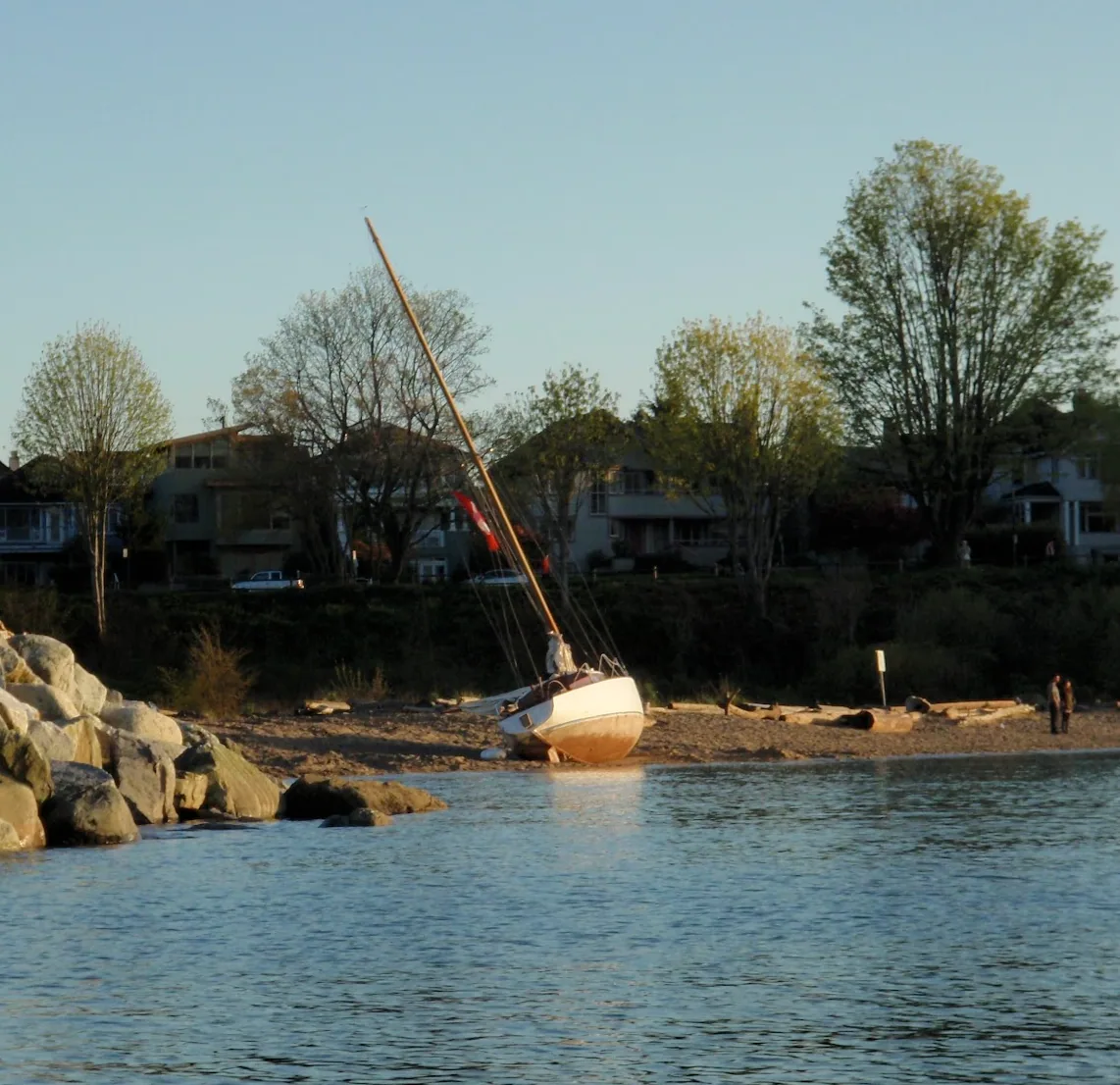 A sailboat driven ashore on Kits Beach in the same 2010 storm.
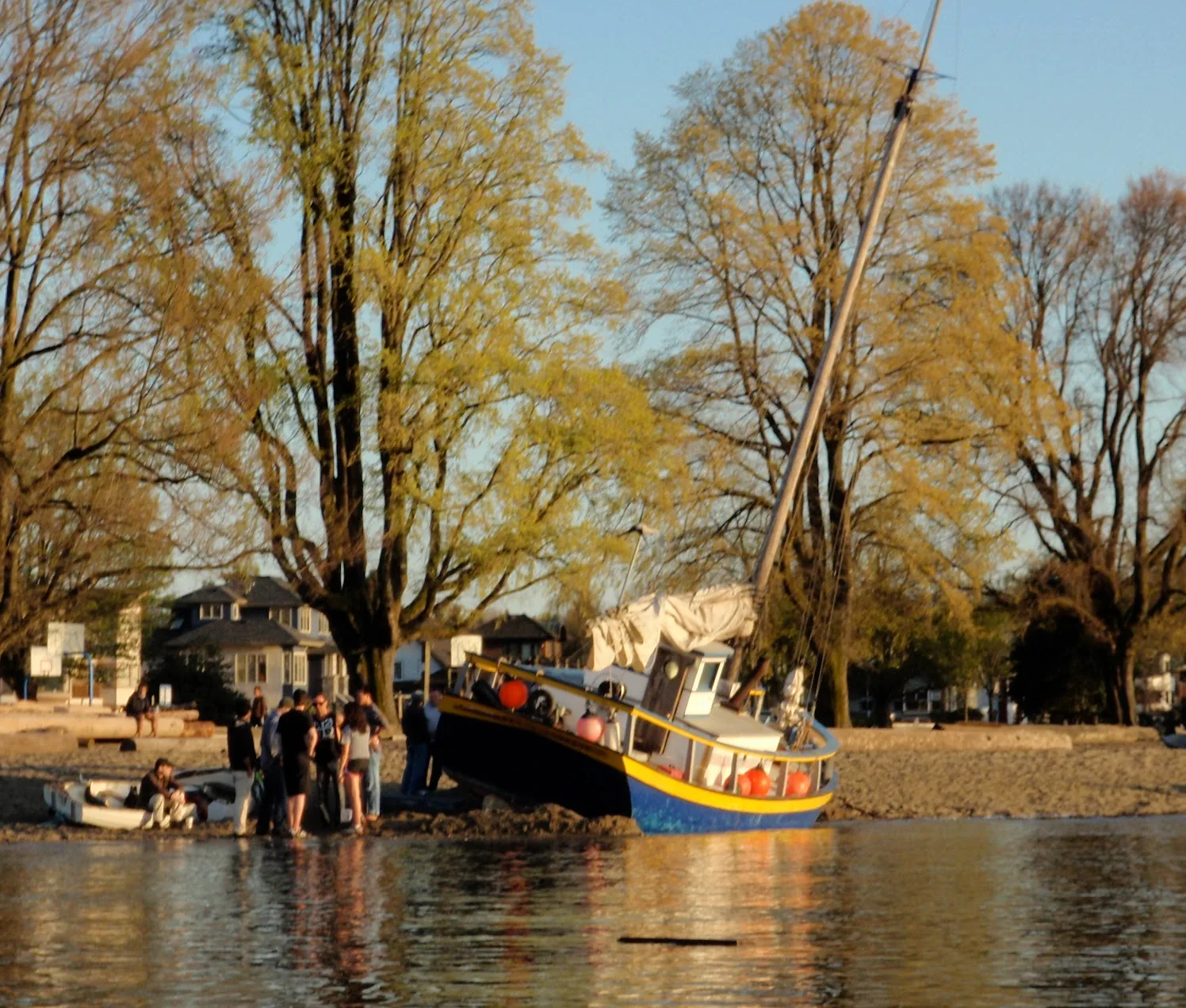 Boaters assess how to free a grounded sailboat from Kits Beach after the storm.
Every other boat that washed up on that beach had an owner who, right up until the wind turned, believed they had judged the night correctly.
That night has stayed with me ever since.
The lesson was not that I needed a bigger boat. I already had a capable one. It was not simply that I needed better gear. I had serious ground tackle.
The real lesson was that anchoring is a system.
Your boat. Your anchor system. The bottom. The wind, and the waves it brings. The tide, the current, and how they change the waves. Your escape options. They all matter. A spot that feels safe in the afternoon can become dangerous late at night if the weather shifts, if it strengthens, or if it arrives differently than expected.
What I needed that night was not another generic forecast. I needed clearer local insight. I needed to understand how the forecast connected to that anchorage, that bottom, that exposure, that scope, and that boat.
This is why I built Vector Weather.
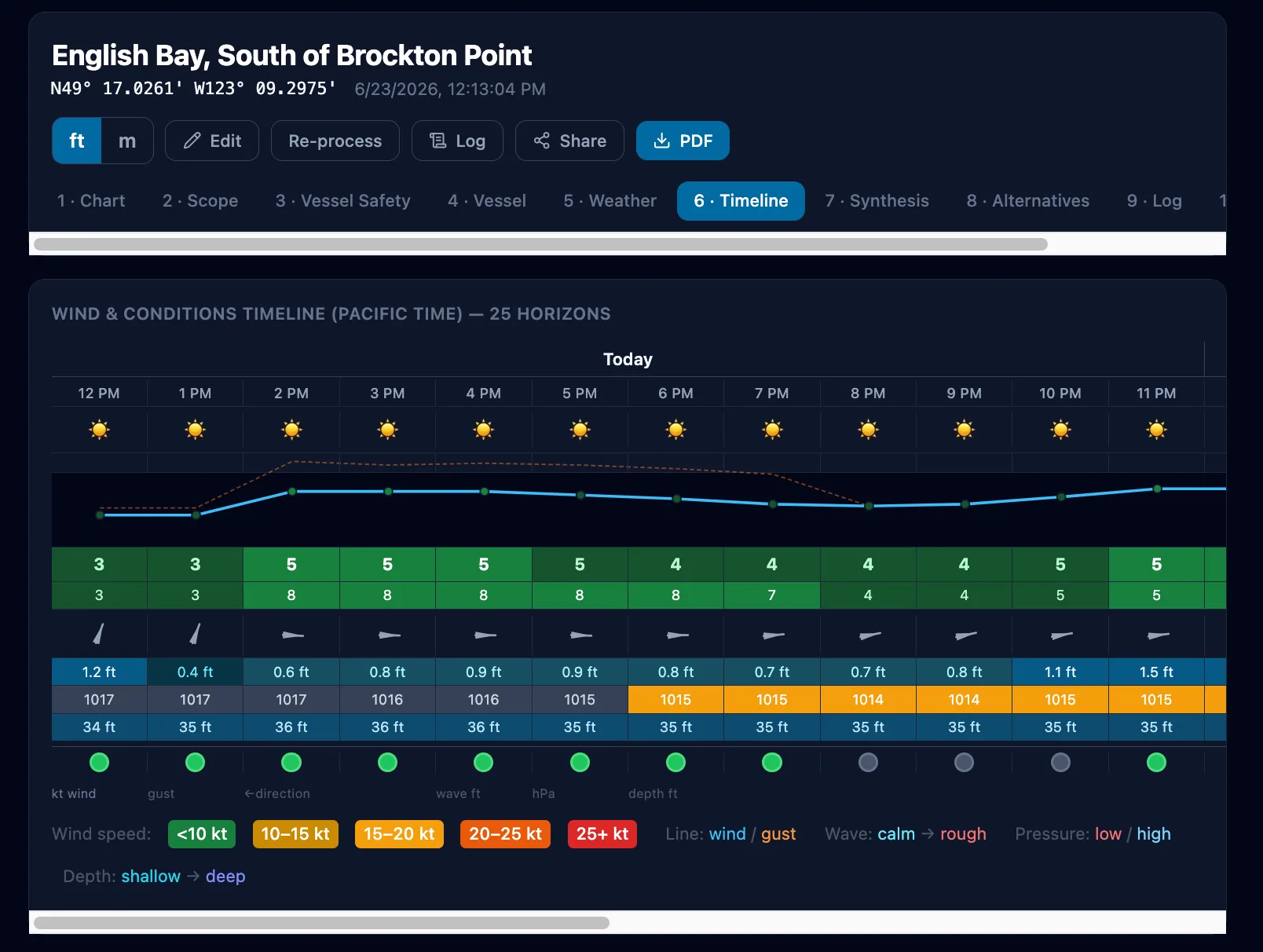 Vector Weather's timeline view: wind, wave, pressure, and tide conditions over the coming horizons.
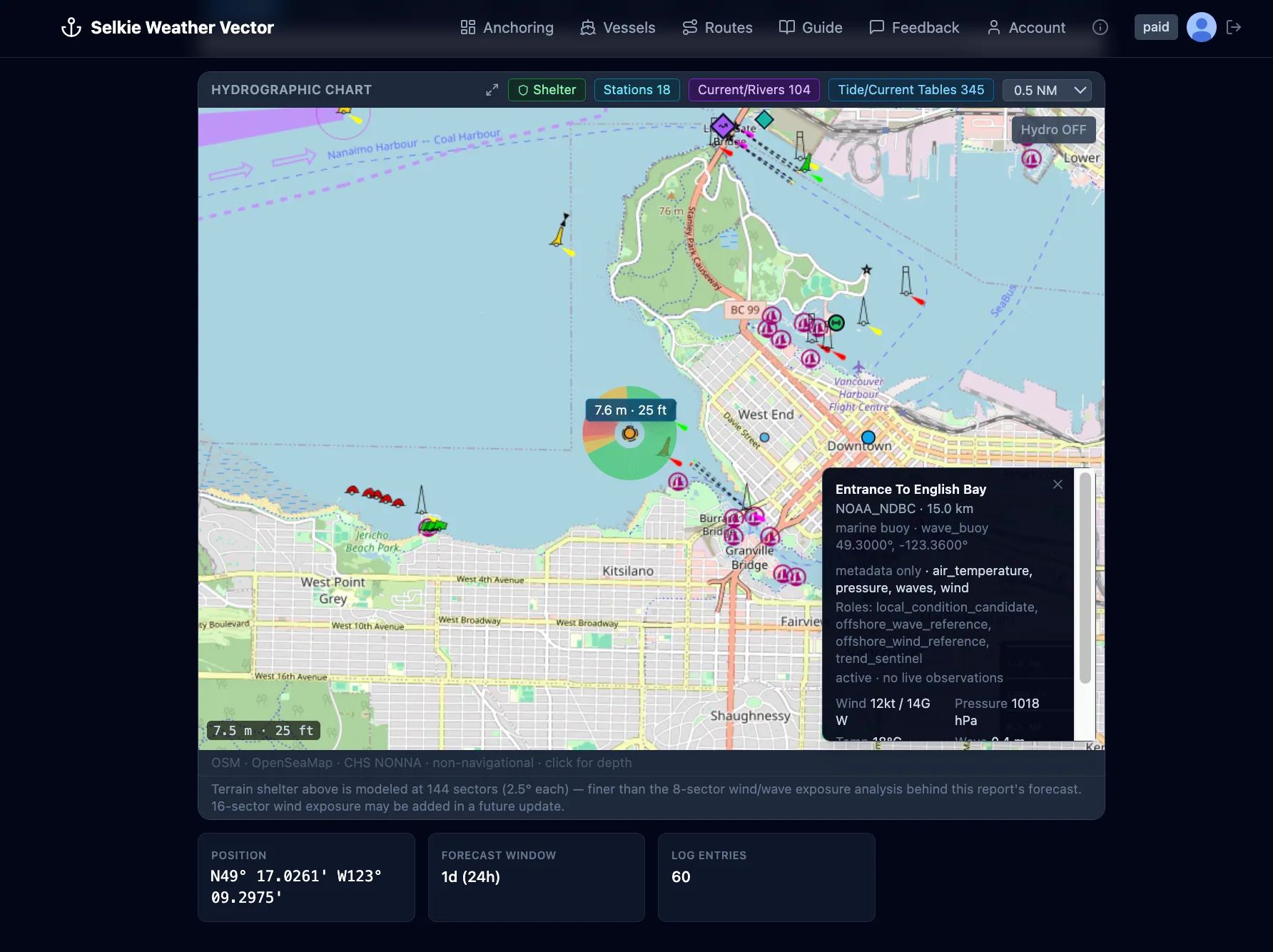 Vector Weather's chart view: the anchorage and the closest wave buoy's live conditions.
See this live analysis in Vector Weather
Vector Weather is designed to help boaters ask the practical questions before conditions become urgent.
Will this anchorage still make sense overnight?
Is there enough scope and swing room?
What direction is the exposure?
What happens if the wind shifts?
Where is the safer bolt-hole?
This is not about replacing seamanship. It is about supporting it.
Because good seamanship is not confidence. It is preparation, humility, and knowing when to move before the weather makes the decision for you.
-- Morgane Oger, Selkie Tech
Try Vector Weather before your next night at anchor.